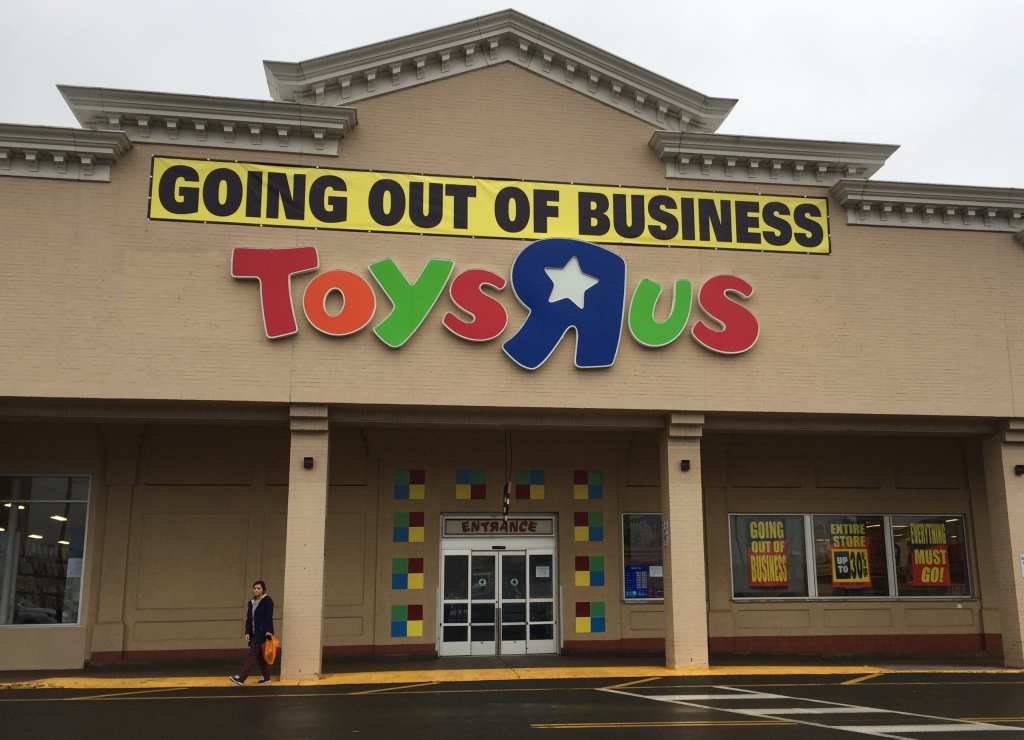
Toys “R” Us was once a beloved giant in the retail industry, a go-to destination for parents and children alike. However, its story is one of both triumph and tragedy, characterized by unparalleled success followed by a dramatic downfall. Central to its demise was the mismanagement of cash flow, a lesson that small business owners can learn from to safeguard their own enterprises.
The Rise:
Founded in 1948 by Charles Lazarus, Toys “R” Us rapidly expanded across the United States and eventually worldwide, becoming the leading toy retailer. With its vast selection of toys and innovative marketing strategies, including the iconic Geoffrey the Giraffe mascot, the company enjoyed decades of prosperity. Toys “R” Us became synonymous with childhood joy and a staple of countless family outings.
The Fall:
Despite its initial success, Toys “R” Us began to face challenges in the late 2000s. The rise of e-commerce giants like Amazon and Walmart posed significant competition, and the company struggled to adapt to the changing retail landscape. Additionally, Toys “R” Us was burdened with a massive debt load following a leveraged buyout in 2005, which severely limited its financial flexibility.
However, the primary factor contributing to Toys “R” Us’s downfall was its poor cash flow management. The company operated with razor-thin profit margins, relying heavily on holiday season sales to generate the majority of its revenue. This seasonal dependence left Toys “R” Us vulnerable to fluctuations in consumer spending and market conditions.
As the retail industry evolved, Toys “R” Us failed to invest adequately in its e-commerce capabilities, ceding market share to more agile competitors. Moreover, the company struggled to keep pace with changing consumer preferences, particularly the shift towards experiential retail and interactive shopping experiences.
By the time Toys “R” Us filed for bankruptcy in 2017, its financial situation had become untenable. Despite efforts to restructure and revitalize the brand, including a proposed comeback bid in 2019, the company ultimately succumbed to its mounting debts and operational challenges, closing its doors for good.
Lessons Learned:
The downfall of Toys “R” Us serves as a cautionary tale for small business owners, highlighting the critical importance of effective cash flow management. Here are some key lessons that entrepreneurs can glean from the demise of this retail giant:
- Diversify Revenue Streams: Relying too heavily on seasonal sales can expose a business to significant risks. Small business owners should strive to diversify their revenue streams, offering a range of products or services throughout the year to mitigate the impact of fluctuations in consumer demand.
- Invest in Innovation: Embrace technological advancements and innovation to stay competitive in today’s rapidly evolving marketplace. Whether it’s enhancing online capabilities, adopting new marketing strategies, or improving customer experiences, investing in innovation can help small businesses adapt to changing consumer preferences and industry trends.
- Manage Debt Wisely: While debt can be a valuable tool for fueling growth, excessive borrowing can cripple a business, as evidenced by Toys “R” Us. Small business owners should exercise caution when taking on debt and prioritize debt repayment to maintain financial flexibility and avoid liquidity crises.
- Monitor Cash Flow Closely: Regularly monitor cash flow and financial metrics to identify potential red flags and address them proactively. Implement robust financial reporting systems and budgeting processes to track expenses, manage inventory levels, and optimize cash flow throughout the year.
- Stay Customer-Centric: Place a strong emphasis on understanding and meeting the needs of your customers. Solicit feedback, adapt to changing preferences, and deliver exceptional experiences to build customer loyalty and drive repeat business.
The rise and fall of Toys “R” Us underscore the critical importance of effective cash flow management in sustaining business success. By learning from the mistakes of the past and implementing sound financial practices, small business owners can navigate challenges, seize opportunities, and chart a course towards long-term viability and prosperity.

Leave a comment